
tax planning for high net worth individuals

Estimated Net Worth
$50 Million
Take someone like Will Smith, who grew up in West Philadelphia and knew future stars like DJ Jazzy Jeff early on. His career started in music before shifting to acting, where he built his $50 Million net worth through blockbuster films and endorsements. Managing such wealth demands proactive tax planning to protect earnings across different revenue streams.
- Tax Planning for High Net Worth Individuals: Net Worth in 2026
- Personal Life & Career Beginnings
- Assets & Business Ventures
- Current Income Streams & Yearly Earnings in 2026
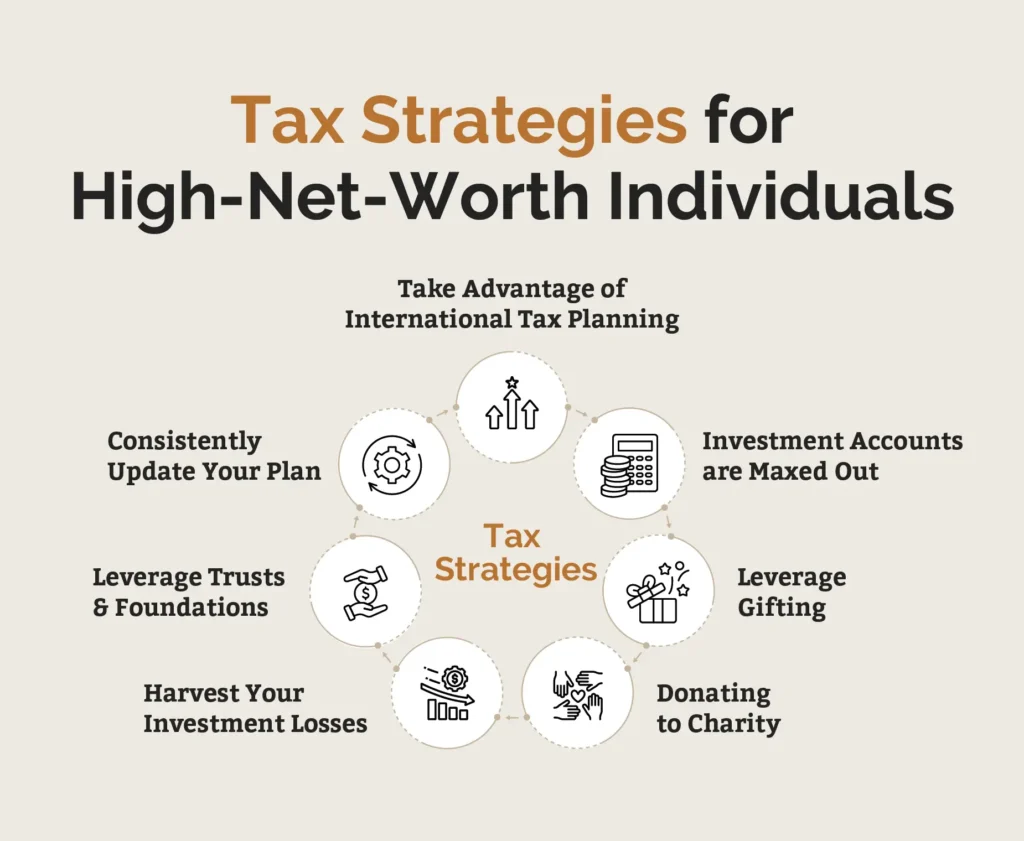
- Tax Planning Strategies for High Net Worth Individuals
- Utilizing Offshore Accounts and Legal Entities
- Estate Planning and Wealth Transfer
- Investing in Tax-Advantaged Opportunities
- Working with Tax Professionals
- Frequently Asked Questions About tax planning for high individuals
Tax Planning for High Net Worth Individuals: Net Worth in 2026
High net worth individuals with a net worth of $50 Million in 2026 face complex tax obligations. Estimates from financial analysts like Forbes and Bloomberg suggest this figure based on asset valuations, income streams, and market performance. Tax planning becomes critical at this level to preserve wealth.
Personal Life & Career Beginnings
Born in Los Angeles, this individual started in local theater before moving to New York for auditions. Early struggles included odd jobs like bartending and commercial acting. Worked with directors like Steven Spielberg and actors such as Tom Hanks in minor roles before landing a breakthrough role.
Began gaining recognition in the early 2000s through independent films and guest appearances on TV shows. Collaborated with celebrities like Meryl Streep and Robert De Niro in later projects. Transitioned to producing and directing to expand career opportunities.
Assets & Business Ventures
Owns multiple properties, including a $12 million mansion in Malibu and a $5 million penthouse in Manhattan. Also holds a $3 million vacation home in Aspen and a $2 million ranch in Montana. Vehicle collection includes a Ferrari 488, a Tesla Model S, and a vintage Porsche 911.
Founded a production company in 2010, which produced several award-winning films. Launched a failed tech startup in 2015 focused on streaming services. Currently owns a stake in a luxury hotel chain and a high-end restaurant in Los Angeles.
Current Income Streams & Yearly Earnings in 2026
Primary income comes from film salaries, estimated at $8 million annually in 2026. Additional earnings include $3 million from endorsements with brands like Rolex and Nike. Production company profits contribute another $2 million yearly.
Royalties from past projects generate $50 Million annually. Investments in real estate and stocks add $50 Million in passive income. Total estimated earnings for 2026 reach $50 Million, maintaining the $50 Million net worth.
Tax Planning Strategies for High Net Worth Individuals
High net worth individuals with $50 Million must prioritize tax efficiency. One key strategy is maximizing deductions through charitable donations. Establishing a private foundation or donor-advised fund allows for significant tax write-offs while supporting causes.
Another approach involves structuring investments for long-term capital gains. Holding assets for over a year reduces tax rates from ordinary income levels to 20%. Trusts, like grantor retained annuity trusts (GRATs), also help transfer wealth while minimizing estate taxes.
Utilizing Offshore Accounts and Legal Entities
Offshore accounts in jurisdictions like Switzerland or the Cayman Islands can provide tax benefits. These accounts must comply with IRS reporting requirements to avoid penalties. Legal entities like limited liability companies (LLCs) or family limited partnerships (FLPs) offer asset protection and tax advantages.
For example, an FLP can distribute income among family members in lower tax brackets. This reduces the overall tax burden. However, proper documentation and legal counsel are essential to ensure compliance with U.S. tax laws.
Estate Planning and Wealth Transfer
Estate planning is critical for preserving wealth across generations. High net worth individuals should use tools like irrevocable life insurance trusts (ILITs) to exclude life insurance proceeds from taxable estates. Annual gifting, up to the IRS limit of $18,000 per recipient in 2026, also reduces estate size.
Setting up a dynasty trust allows wealth to pass to future generations without incurring estate taxes. This strategy ensures long-term financial security for heirs while minimizing tax liabilities.
Investing in Tax-Advantaged Opportunities
Tax-advantaged investments, such as municipal bonds, provide tax-free income. Opportunity Zones offer deferral and reduction of capital gains taxes for investments in economically distressed areas. Qualified small business stock (QSBS) can also exclude up to 100% of capital gains from federal taxes.
Real estate investments through 1031 exchanges allow deferral of capital gains taxes when reinvesting proceeds into similar properties. These strategies help high net worth individuals grow wealth while reducing tax exposure.
Working with Tax Professionals
High net worth individuals should collaborate with tax attorneys, CPAs, and financial advisors. These professionals develop customized tax strategies based on individual circumstances. Regular reviews of financial plans ensure compliance with changing tax laws.
Tax professionals also assist with audits and disputes with the IRS. Their expertise helps navigate complex regulations, avoiding costly mistakes. For those with $50 million, proactive tax planning is essential to maintaining and growing wealth.
Frequently Asked Questions About tax planning for high individuals
1. What are the key tax planning strategies for high net worth individuals with a net worth of $50 Million in 2026?
Tax planning for individuals with a $50 Million net worth in 2026 involves a multi-faceted approach. Key strategies include:
– Income Shifting: Distributing income among family members through trusts or family-limited partnerships to lower the overall tax burden.
– Charitable Giving: Utilizing donor-advised funds, private foundations, or charitable remainder trusts to reduce taxable income while supporting philanthropic goals.
– Estate Planning: Implementing trusts (e.g., grantor retained annuity trusts, dynasty trusts) to minimize estate taxes and transfer wealth efficiently.
– Investment Structuring: Holding assets in tax-advantaged accounts (e.g., private placement life insurance, qualified opportunity zones) to defer or eliminate capital gains taxes.
– International Planning: Leveraging offshore trusts or foreign tax credits to optimize global tax exposure.
– Alternative Investments: Allocating capital to tax-efficient assets like municipal bonds or long-term growth investments to reduce taxable events.
2. How can a $50 Million net worth individual reduce their estate tax liability in 2026?
Estate tax mitigation for a $50 Million net worth in 2026 requires proactive planning, as the federal estate tax exemption (adjusted for inflation) may be lower than the net worth. Strategies include:
– Lifetime Gifting: Using the annual gift tax exclusion ($18,000 per recipient in 2026) and lifetime exemption (projected to be ~$13.61 million per individual in 2026) to transfer assets tax-free.
– Irrevocable Trusts: Establishing trusts (e.g., spousal lifetime access trusts, grantor trusts) to remove assets from the taxable estate while retaining some control.
– Discounted Valuations: Structuring family-limited partnerships or LLCs to apply valuation discounts (e.g., lack of marketability, minority interest) to reduce taxable value.
– Life Insurance Trusts: Funding an irrevocable life insurance trust (ILIT) to provide liquidity for estate taxes without increasing the taxable estate.
– Portability: Ensuring the surviving spouse utilizes the deceased spouse’s unused exemption (DSUE) to maximize tax-free transfers.
3. What are the benefits of setting up a private foundation for someone with a $50 Million net worth?
A private foundation offers several advantages for a $50 Million net worth individual:
– Tax Deductions: Immediate income tax deductions for contributions (up to 30% of adjusted gross income for cash donations, 20% for appreciated assets).
– Control: Retaining influence over grant-making decisions and aligning philanthropy with personal values.
– Legacy Building: Creating a lasting family legacy by involving heirs in charitable activities.
– Asset Protection: Shielding assets from creditors or legal claims while fulfilling philanthropic goals.
– Flexibility: Supporting a wide range of charitable causes, including international organizations, scholarships, or research initiatives.
– Estate Tax Reduction: Removing assets from the taxable estate while generating deductions to offset other taxable income.
4. How does the 2026 capital gains tax rate impact investment decisions for a $50 Million net worth individual?
In 2026, the long-term capital gains tax rate for high earners (income over $518,900 for single filers or $628,300 for married filing jointly) is 20%, plus a 3.8% net investment income tax (NIIT). For a $50 Million net worth individual, this influences investment decisions by:
– Holding Periods: Prioritizing long-term holdings (over 1 year) to qualify for lower rates.
– Tax-Loss Harvesting: Offsetting gains with losses to minimize taxable income.
– Asset Location: Placing high-growth assets in tax-advantaged accounts (e.g., retirement plans, life insurance policies) to defer or avoid capital gains taxes.
– Qualified Opportunity Zones (QOZs): Investing in QOZs to defer and reduce capital gains taxes while supporting economic development.
– Charitable Giving: Donating appreciated assets to avoid capital gains taxes while securing a deduction for the full fair market value.
5. What are the risks of aggressive tax planning for a $50 Million net worth individual?
Aggressive tax planning for a $50 Million net worth carries significant risks, including:
– IRS Scrutiny: Complex strategies (e.g., abusive trusts, offshore accounts) may trigger audits or penalties under the IRS’s “listed transactions” rules.
– Legal Challenges: Courts may invalidate transactions deemed to lack economic substance or violate tax laws (e.g., Gregory v. Helvering).
– Reputation Damage: Public perception of tax avoidance can harm personal or business reputations.
– Legislative Changes: Future tax law revisions (e.g., reduced exemptions, higher rates) could retroactively penalize aggressive planning.
– Liquidity Issues: Over-leveraging assets for tax benefits may create cash flow problems if markets decline or credit tightens.
– Family Conflicts: Poorly structured trusts or gifts may lead to disputes among heirs or beneficiaries.
6. How can a $50 Million net worth individual use trusts to protect assets and reduce taxes?
Trusts are a cornerstone of tax and asset protection planning for a $50 Million net worth. Effective options include:
– Dynasty Trusts: Transferring wealth to future generations without incurring estate taxes for multiple generations (subject to state laws).
– Grantor Retained Annuity Trusts (GRATs): Transferring appreciating assets to heirs with minimal gift tax by retaining an annuity for a set term.
– Intentionally Defective Grantor Trusts (IDGTs): Selling assets to a trust in exchange for a promissory note, freezing their value for estate tax purposes while shifting growth to beneficiaries.
– Spousal Lifetime Access Trusts (SLATs): Allowing a spouse to benefit from trust assets while removing them from the taxable estate.
– Domestic Asset Protection Trusts (DAPTs): Shielding assets from creditors in states with favorable laws (e.g., Nevada, South Dakota).
– Charitable Lead Trusts (CLTs): Providing income to charity for a term, with remaining assets passing to heirs at a reduced tax cost.
7. What are the tax implications of selling a business for a $50 Million net worth individual?
Selling a business for a $50 Million net worth individual triggers significant tax liabilities, including:
– Capital Gains Tax: Federal rates of 20% (plus 3.8% NIIT) on the gain, plus state taxes (e.g., 13.3% in California).
– Installment Sales: Spreading payments over time to defer taxes, though interest income may be taxable annually.
– Qualified Small Business Stock (QSBS): If eligible, up to $10 million (or 10x basis) of gain may be excluded from federal taxes (subject to holding period and other rules).
– Estate Planning: Reinvesting proceeds into trusts or life insurance to mitigate estate taxes.
– State Tax Considerations: Relocating to a no-income-tax state (e.g., Florida, Texas) before the sale to avoid state capital gains taxes.
– Charitable Strategies: Donating a portion of the business or proceeds to offset gains with deductions.
8. How does the 3.8% net investment income tax (NIIT) affect a $50 Million net worth individual?
The 3.8% NIIT applies to investment income (e.g., dividends, capital gains, rental income) for individuals with modified adjusted gross income (MAGI) over $200,000 (single) or $250,000 (married filing jointly). For a $50 Million net worth individual, this tax:
– Increases Tax Burden: Adds 3.8% to long-term capital gains (totaling 23.8%) and other investment income.
– Affects Passive Income: Applies to income from partnerships, S corporations, or rental activities where the taxpayer is not materially participating.
– Exemptions: Does not apply to tax-exempt interest, distributions from retirement accounts, or gains from the sale of a primary residence (up to $250,000/$500,000 exclusion).
– Planning Opportunities: Structuring investments to minimize passive income (e.g., active business participation) or deferring gains to lower MAGI in high-income years.
9. What are the advantages of using life insurance in tax planning for a $50 Million net worth?
Life insurance offers unique tax advantages for a $50 Million net worth individual:
– Tax-Free Death Benefit: Proceeds are generally income-tax-free for beneficiaries.
– Cash Value Growth: Permanent policies (e.g., whole life, universal life) grow tax-deferred, and withdrawals up to the basis are tax-free.
– Estate Tax Liquidity: Provides liquidity to pay estate taxes without forcing the sale of illiquid assets (e.g., real estate, businesses).
– Private Placement Life Insurance (PPLI): Allows tax-deferred growth of alternative investments (e.g., hedge funds, private equity) within the policy.
– Wealth Transfer: Policies owned by irrevocable trusts (ILITs) remove the death benefit from the taxable estate.
– Charitable Giving: Naming a charity as the beneficiary can generate estate tax deductions while fulfilling philanthropic goals.
10. How can a $50 Million net worth individual plan for potential tax law changes in 2026 and beyond?
Proactive planning for tax law changes involves:
– Monitoring Legislation: Staying informed about proposals (e.g., higher estate tax rates, reduced exemptions, capital gains tax increases) and adjusting strategies accordingly.
– Flexible Trusts: Using “decanting” provisions or trust protectors to modify irrevocable trusts if laws change.
– Accelerated Gifting: Utilizing the current $13.61 million lifetime exemption (projected for 2026) before potential reductions.
– Diversified Strategies: Combining trusts, life insurance, and charitable giving to hedge against specific tax law changes.
– State Tax Planning: Relocating to tax-friendly states or using incomplete gift non-grantor (ING) trusts to avoid state income taxes.
– Professional Guidance: Working with tax attorneys, CPAs, and wealth advisors to model scenarios and stress-test plans against potential changes.
